1612
Maps to colour yourself
William Hole's engraved maps for the poem Poly-Olbion were printed uncoloured in 1612 and 1622, and hand-colouring them yourself became fashionable among nobles, the Guardian reported.
Date a page doodlecolorbook
Start
WHAT THE COLLECTIONS SHOW
Colouring in began with paint, and with grown-ups.
Long before crayons, people bought uncoloured engravings to finish by hand with watercolours. Museum and library collections trace a line from 17th-century maps to the mass-produced children's books of the 1880s.
400 YEARSof colouring in
Date a pageKeep in mind
THE SHORT ANSWER
Each step made colouring cheaper and easier,
until it became a children's pastime.
1612
William Hole's engraved maps for the poem Poly-Olbion were printed uncoloured in 1612 and 1622, and hand-colouring them yourself became fashionable among nobles, the Guardian reported.
Date a page1760
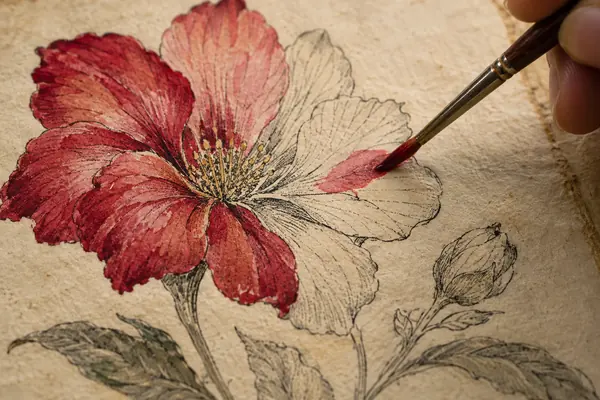
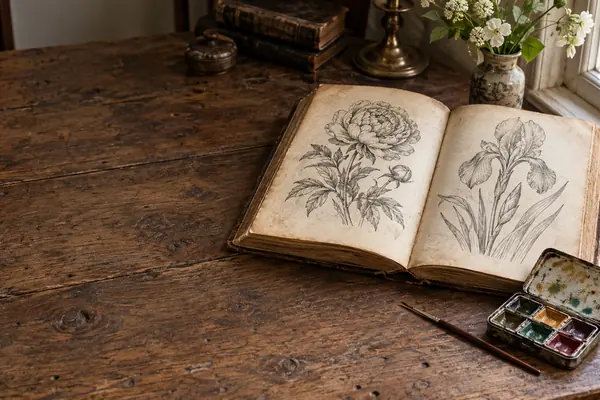
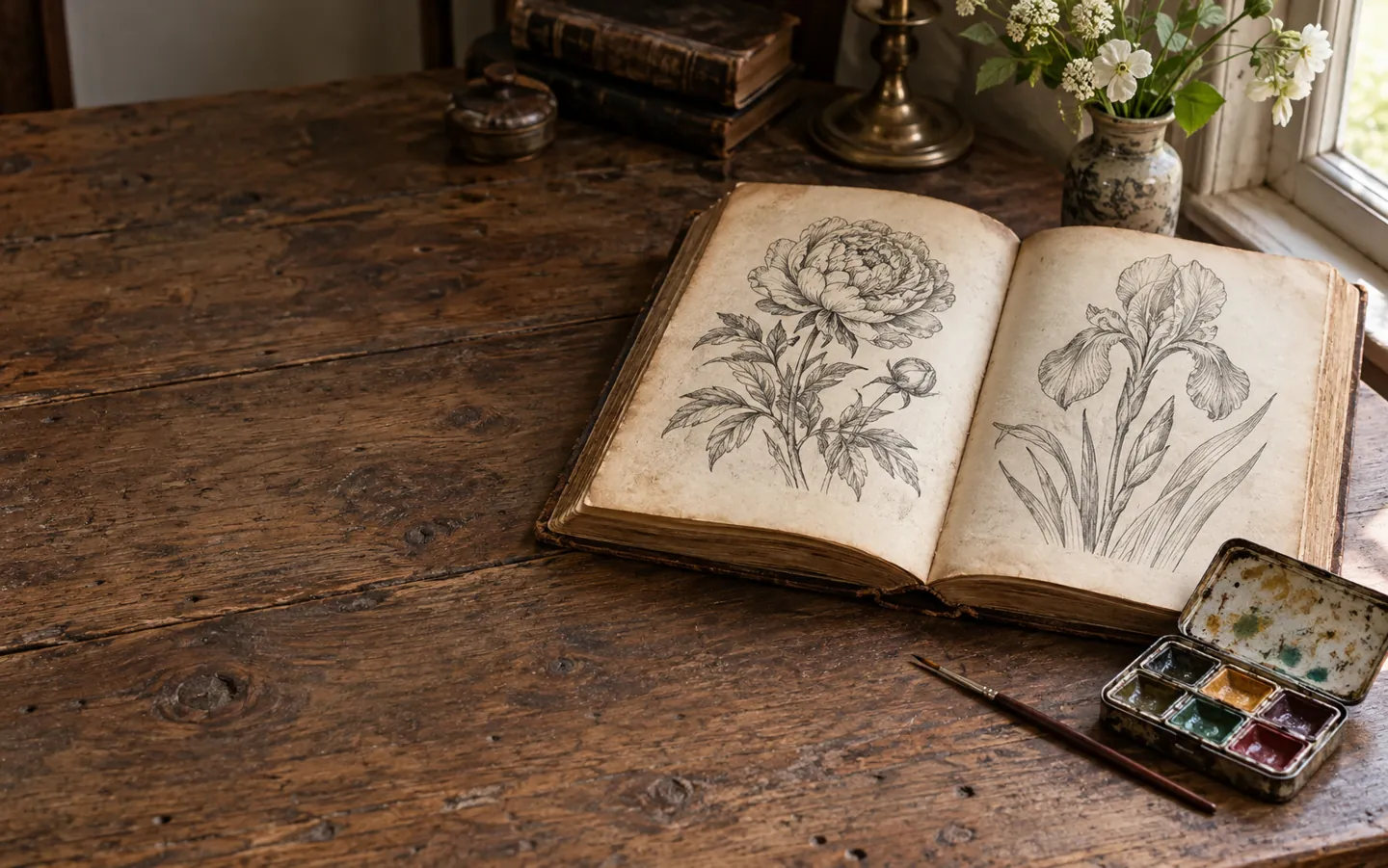
The Florist, printed in London around 1760, held 60 plates of flowers with instructions for painting each one in its natural colours. A copy sits in the Missouri Botanical Garden library.
Lessons from old books1880
The Strong National Museum of Play credits The Little Folks Painting Book, published by McLoughlin Brothers, as the first mass-produced colouring book.
See the numbersA QUICK HISTORY CHECK
Pick a kind of colouring page to see roughly when it appeared. The bar shows how long ago that was.
Dates from the Guardian, Hyperallergic and The Strong National Museum of Play. Accounts differ slightly on some dates, for example 1879 or 1880.
TWO NUMBERS WORTH KNOWING
One number for how old the habit is,
one for the size of an early colouring book.
400+ years
How long adults have coloured printed pages
The Guardian traced adult colouring back more than 400 years, to Hole's maps of 1612. Hand-colouring stayed popular until full-colour printing took over in the 19th century.
AGE · THE GUARDIAN
60 plates
Flower engravings in The Florist (c. 1760)
From a peony to an iris. The copy found at the Missouri Botanical Garden was almost unused, with only one plate showing a smear of green.
PLATES · HYPERALLERGIC
Early colouring books were made for paint. The Strong notes that crayons, produced commercially from the late 19th century, were less messy and more portable.
FOUR LESSONS FROM OLD BOOKS
Early colouring books came with their own ideas about how to colour. A few are still worth borrowing.

Step 1
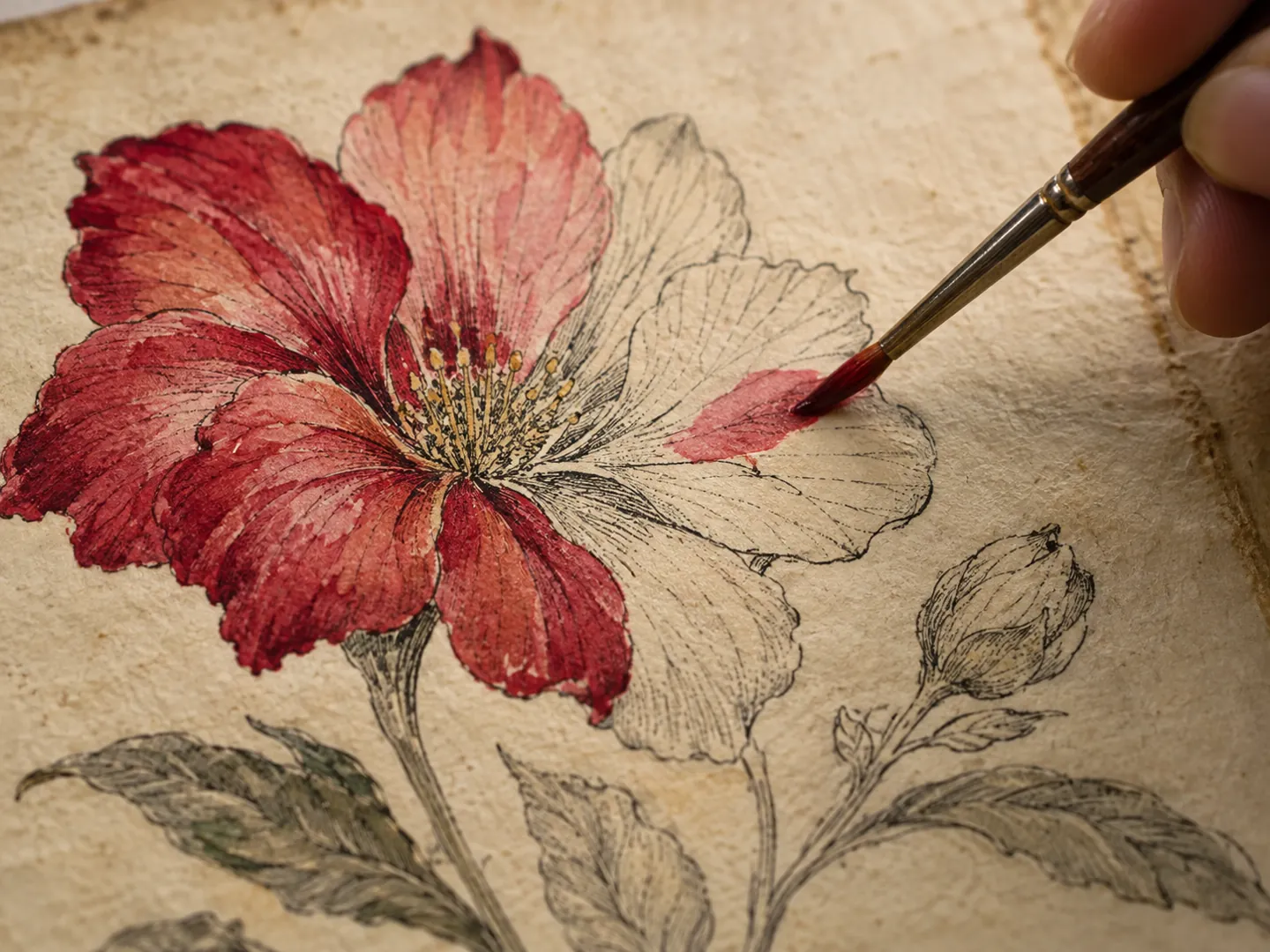
The first books were meant for watercolours. A small paint box gives soft washes that wax crayons cannot.
Step 2
The Florist started each flower with a strong layer of one colour, then shaded it with a mix, building depth slowly.
Step 3
Its instructions followed nature's colours. Colour a flower with the actual flower, or a photo, beside you.
Step 4
In 1622 Henry Peacham advised colouring for practice, saying the hand speedily instructs the mind and confirms the memory.
FROM SCHOOLROOM TO TOY SHOP
According to The Strong, early colouring books often featured letters of the alphabet, numbers and other educational themes. Over the years they moved towards more playful pictures.
The Little Folks Painting Book opened by promising a cheap, interesting and sensible book of pictures for children to try their skill at painting, and its success inspired other children's publishers to follow.
Questions
It depends on what counts. The Strong National Museum of Play names The Little Folks Painting Book (1880) as the first mass-produced one. Earlier books for adults to colour include The Florist (c. 1760) and the Poly-Olbion maps (1612 and 1622).
Not at first. The Poly-Olbion maps were coloured by nobles, and The Florist was written for the use and amusement of gentlemen and ladies. Children's colouring books arrived in the 19th century.
Paint. The early books were meant for watercolours, and The Florist gave detailed instructions for mixing pigments such as carmine, Prussian blue and sap green.
The Strong says crayons produced commercially from the late 19th and early 20th centuries gave children a less messy and more portable way to colour.
No. The Guardian traced adult colouring back more than 400 years, and in 1622 Henry Peacham was already recommending colouring as practice for the hand and memory.
Destination
Updated
ABOUT THIS NAME
doodlecolorbook.com is part of the DoodleSale portfolio. It isn't in an auction right now, but you can ask about leasing it.